
Coronary Artery Disease
01Symptoms
Common signs and symptoms associated with Coronary Artery Disease include:
- Chest pain, tightness or pressure (angina), often on exertion
- Breathlessness, often on exertion
- Pain spreading to the arm, neck or jaw
- Unusual fatigue
- Cold sweat, nausea or light-headedness
- A heart attack may be the first sign in some people and some may have no symptom
02Causes & Risk Factors
- High cholesterol
- High blood pressure
- Smoking
- Diabetes
- Family history of heart disease
- Physical inactivity, obesity and an unhealthy diet
- Male gender
- Advancing age
03When To See A Cardiologist
Arrange a cardiology assessment if you experience chest discomfort or shortness of breath on exertion, or have several risk factors for heart disease. Sudden, severe or prolonged chest pain at rest, especially associated with cold sweat or nausea, is a medical emergency. Call 995 immediately.
04Treatment Approaches At CCI
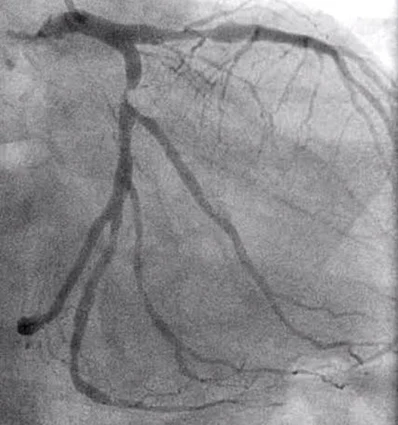
Management combines lifestyle change, medications to control risk factors, and where significant blockages are found, procedures such as percutaneous coronary angioplasty (PCI) or, in selected cases, coronary artery bypass surgery. CCI provides accurate diagnosis through CT coronary angiography and coronary angiography, and a clear treatment plan.
05Diagnostic Tests & Procedures
Tests and treatments Dr Lee may recommend for this condition:



Frequently Asked Questions
Can coronary artery disease be reversed?
While established plaque cannot be fully removed, its progression can be slowed or halted, and risk dramatically reduced, with medication and lifestyle change. In early disease, some soft plaques can be reversed with aggressive management.
How is CAD diagnosed?
CAD is assessed using tests such as a treadmill stress test (often with echocardiogram), CT coronary angiogram, calcium scoring or invasive coronary angiography, depending on your symptoms and risk profile.
Get A Specialist Heart Assessment
Early diagnosis makes a real difference. Book a consultation with Dr Lee Chee Wan at Cardiac Centre International.
Book An Appointment