

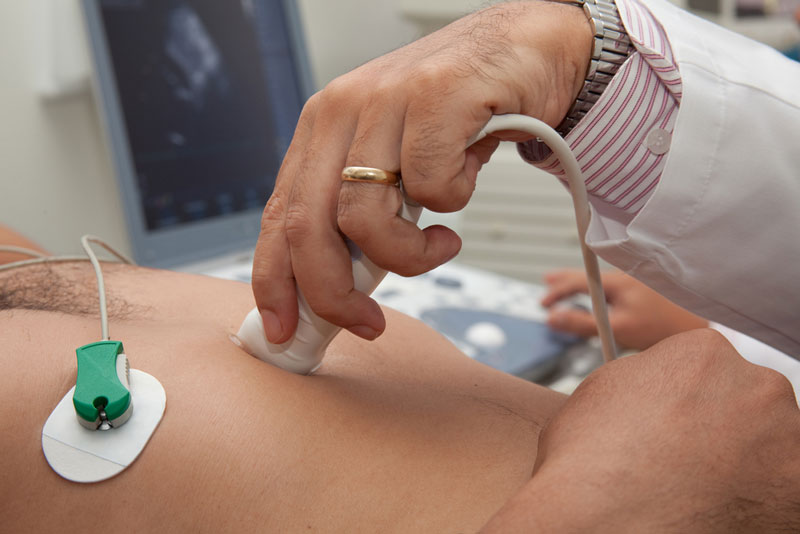
Atrial fibrillation (AF) is the most common sustained heart rhythm disorder in adults. It is one of the most important, because it is a major and highly treatable, cause of stroke. Understanding AF helps you recognise it early and act on it.
What is atrial fibrillation?
In a healthy heart, the upper chambers (the atria) beat in a coordinated manner with the lower pumping chambers (ventricles) at around 60 to 70 beats per minute at rest. In AF, the atria beat extremely fast, often over 300 beats per minute. This results in chaotic, irregular and often fast ventricular pumping. The very fast atria beating (fibrillation) can allow blood to pool and form clots, which is why AF significantly raises stroke risk. Because the pumping ventricles are often fast and irregular, AF may cause troublesome symptoms and heart failure.
What does atrial fibrillation feel like?
Many people notice an irregular or racing heartbeat, breathlessness, tiredness or light-headedness. Importantly, some people have no symptoms at all, known as silent AF, which is why anyone with stroke risk factors should have their heart rhythm checked.
How is atrial fibrillation diagnosed?
AF is confirmed with an electrocardiogram (ECG). Because episodes can come and go, longer monitoring with an ambulatory ECG or an implantable loop recorder may be needed to catch it. Sometimes the diagnosis is made using a smartwatch that records ECG.
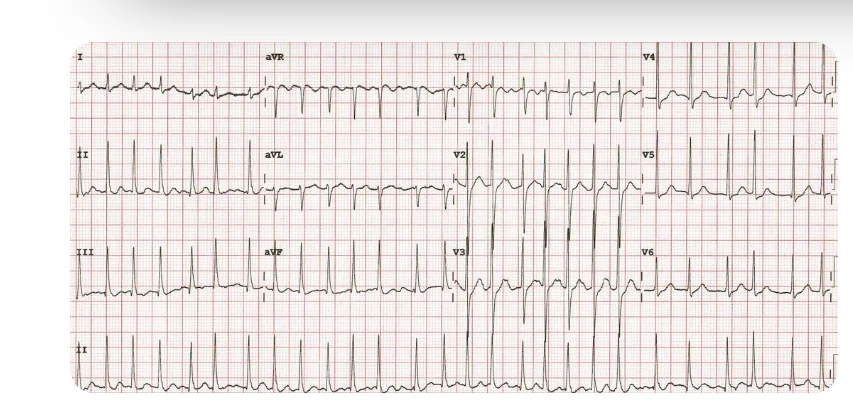
What issues can AF cause?
AF can cause various symptoms, including palpitation, shortness of breath, chest discomfort, dizziness and lethargy/weakness. In prolonged and uncontrolled AF, the pumping ventricles may overwork and weaken, resulting in heart failure. AF increases the risk of stroke by about 5 times. It may also weaken one’s natural heart pacemakers, resulting in needing a permanent pacemaker later on.
How is atrial fibrillation treated?
Management focuses on three areas: identifying modifiable causes, assessing symptoms and (potential) complications, and specific therapy. The three treatment goals are: controlling the heart rate, restoring normal rhythm, and reducing complication, including stroke risk. Options include lifestyle modification, medication, anticoagulation to prevent stroke, and, where appropriate, catheter ablation, a minimally invasive procedure that can offer a long-term solution. Some patients may benefit from left atrial appendage closure with a Watchman device to reduce risk of stroke and bleed. A cardiac electrophysiologist is the specialist best placed to guide this.
The takeaway
Atrial fibrillation is common, treatable, and worth taking seriously. If you notice an irregular heartbeat, or have risk factors for stroke, a simple heart-rhythm check is a wise step.