
Heart Palpitations

01Symptoms
Common signs and symptoms associated with Heart Palpitations include:
- A racing or pounding heartbeat
- A fluttering sensation in the chest
- A feeling of skipped or extra beats
- Awareness of the heartbeat at rest or at night
- Sometimes with dizziness, breathlessness or chest discomfort
02Causes & Risk Factors
- Stress, anxiety or strong emotion
- Caffeine, alcohol or nicotine
- Exercise or fever
- Heart rhythm disorders such as atrial fibrillation, ectopics, supraventricular and ventricular tachycardia
- Thyroid problems
- Certain medications
03When To See A Cardiologist
See a cardiologist if palpitations are frequent, prolonged, or come with chest pain, breathlessness, dizziness or fainting. Learning the cause, and the tests for it, provides reassurance and protects your heart. Fainting or severe chest pain with palpitations needs urgent attention. Some abnormal heart rhythms may have no symptom. Eg. smartwatch may warn of atrial fibrillation, irrespective of symptom.
04Treatment Approaches At CCI
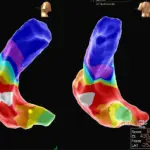
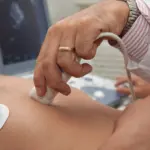
Evaluation focuses on capturing the rhythm during a palpitation episode using an ambulatory ECG. For infrequent symptoms, patients may be encouraged to use a suitable Smartwatch to record ECG. Sometimes, an implantable loop recorder may be needed. Treatment depends on the cause, symptom and severity; reassurance and lifestyle change for benign palpitations, or specific therapy such as medication and/or catheter ablation for an arrhythmia.
05Diagnostic Tests & Procedures
Tests and treatments Dr Lee may recommend for this condition:


Frequently Asked Questions
Are heart palpitations serious?
Most palpitations are harmless but may cause troublesome symptom. In addition, some palpitations may suggest serious underlying heart disease or lead to more serious heart conditions over time. Therefore, it is worth having persistent or symptomatic palpitations assessed.
Why do palpitations happen at night?
When you are still and quiet, you simply notice your heartbeat more. Caffeine, alcohol and stress can also make night-time palpitations more common. Ectopics, a form of arrhythmia, often is more noticeable at night.
Get A Specialist Heart Assessment
Early diagnosis makes a real difference. Book a consultation with Dr Lee Chee Wan at Cardiac Centre International.
Book An Appointment