
Congenital Heart Disease
01Symptoms
Common signs and symptoms associated with Congenital Heart Disease include:
- Breathlessness, especially on exertion
- Reduced exercise tolerance or tiredness
- Palpitations or irregular heartbeat
- A heart murmur detected on examination
- Bluish tinge to the lips or skin in some conditions
- Some defects cause no symptoms and are found incidentally
02Causes & Risk Factors
- Present from birth (developmental)
- Genetic or chromosomal factors in some cases
- Often no identifiable cause
- Some defects are only detected in adulthood
03When To See A Cardiologist
Adults known to have a congenital heart condition should have regular specialist review. See a cardiologist if you have a known heart defect and develop new breathlessness, palpitations, swelling or reduced exercise tolerance. Severe breathlessness, fainting or chest pain are emergencies, call 995.
04Treatment Approaches At CCI
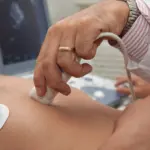
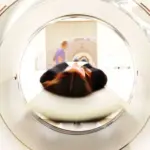
Care at CCI begins with a detailed assessment, including echocardiography and, where needed, advanced imaging such as cardiac MRI, to define the condition precisely. Management depends on the specific defect and may involve regular monitoring, medication, rhythm management, or referral for procedural or surgical treatment where appropriate.
05Diagnostic Tests & Procedures
Tests and treatments Dr Lee may recommend for this condition:


Frequently Asked Questions
Can congenital heart disease appear in adulthood?
Yes. Some defects are mild and only detected later in life. Adults treated in childhood need ongoing specialist follow-up to monitor their heart.
How is it diagnosed?
Echocardiography is the main test, often supported by an ECG and, for complex cases, cardiac MRI or CT to map the heart structure in detail.
Do I still need follow-up if I feel well?
Yes. Regular review allows changes to be detected early, even when you feel well, so that treatment can be adjusted before problems develop.
Get A Specialist Heart Assessment
Early diagnosis makes a real difference. Book a consultation with Dr Lee Chee Wan at Cardiac Centre International.
Book An Appointment