
Atrial Fibrillation
01Symptoms
Common signs and symptoms associated with Atrial Fibrillation include:
- Irregular or racing heartbeat (palpitations)
- Breathlessness, at rest or on exertion
- Unusual tiredness or reduced exercise tolerance
- Dizziness, light-headedness or fainting spells
- Chest discomfort or fluttering
- Some patients have no symptoms at all (silent AF)
02Causes & Risk Factors
- Increasing age
- High blood pressure (hypertension)
- Coronary artery disease or previous heart attack
- Heart valve disease
- Overactive thyroid
- Obesity, sedentary lifestyle, excess alcohol
- Obstructive sleep apnoea
- Diabetes
- Infection/inflammation
03When To See A Cardiologist
See a cardiologist promptly if you notice a persistently irregular or racing pulse, unexplained breathlessness, or episodes of dizziness or fainting. Because AF can be intermittent and silent, anyone with stroke risk factors should have their heart rhythm checked. Modern wearable device such as smartwatch may alert patients of possible AF.
04Treatment Approaches At CCI
Management at CCI is individualised and focuses on three areas: identifying modifiable causes, assessing symptoms and (potential) complications, and specific therapy. The three treatment goals are: controlling the heart rate, restoring normal rhythm, and reducing complication, including stroke risk. Options include lifestyle modification, medication, anticoagulation to prevent stroke, and, where appropriate, catheter ablation, a minimally invasive procedure that can offer a long-term solution. Some patients may benefit from left atrial appendage closure with a Watchman device to reduce risk of stroke and bleed. As a cardiac electrophysiologist, Dr Lee Chee Wan has particular subspecialty expertise in the management of AF. At CCI, we embrace holistic approach in treating AF.
05Diagnostic Tests & Procedures
Tests and treatments Dr Lee may recommend for this condition:



Frequently Asked Questions
Is atrial fibrillation dangerous?
AF itself is rarely immediately life-threatening, but untreated AF substantially increases the risk of stroke, heart failure and pacemaker insertion. With proper treatment, that risk can be greatly reduced.
Can atrial fibrillation be cured?
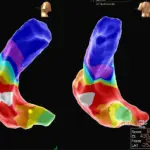
For many patients, catheter ablation can restore and maintain a normal rhythm. This offers a long-term solution, especially if performed early. Dr Lee will advise whether ablation is suitable for you.
How is AF diagnosed?
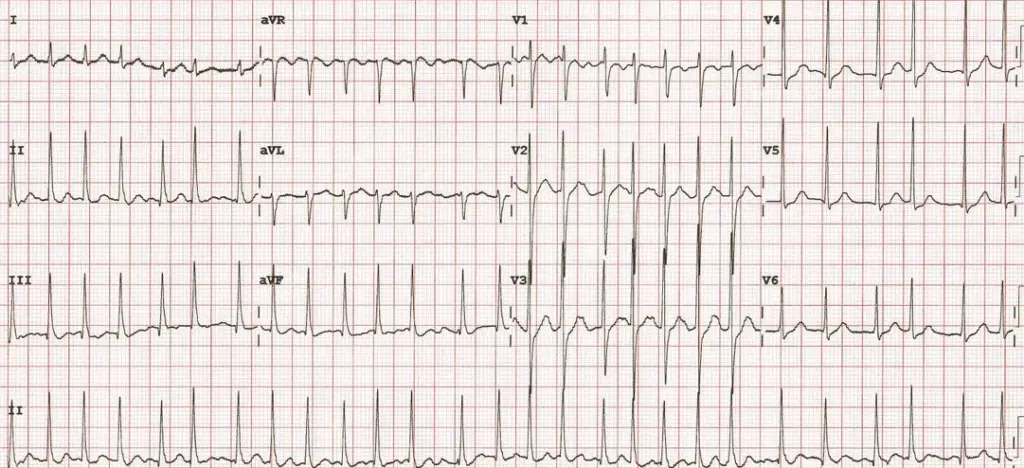
AF is diagnosed with an ECG. Because it can be intermittent, longer monitoring with an ambulatory ECG or an implantable loop recorder may be needed. AF can also be diagnosed with a smartwatch that records ECG.
Get A Specialist Heart Assessment
Early diagnosis makes a real difference. Book a consultation with Dr Lee Chee Wan at Cardiac Centre International.
Book An Appointment